


Why Women Are More Prone to Chronic Stress and Emotional Burnout
Written By: Julia Kariotis, LCSW
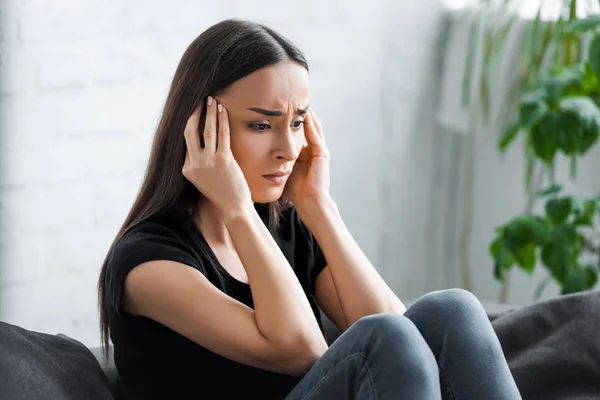
Historically, women have experienced higher levels of stress and burnout than men and are more likely to feel alone in their struggles. The American Psychological Association (APA) has studied and documented these results showing an increase each year. There are many reasons identified that contribute to the overload including family responsibilities, workplace dynamics, societal expectations, and emotional labor. While women are not inherently “weaker” they are more prone to cognitive and emotional overload that stem from societal, psychological, and biological factors.
What even is chronic stress? What’s the difference between stress and burnout? Doesn’t everyone feel stressed out on a daily basis? When we think about how you may feel when you have a work deadline due at midnight, are performing in front of a group of strangers, or are stuck in traffic, you are experiencing acute stress. Chronic stress is the consistent sense of feeling pressured and overwhelmed for a long period of time. This is more of what someone may experience when struggling financially, taking care of a chronically ill family member, or navigating a toxic relationship. Emotional burnout is the state of being drained and emotionally depleted as a result of work and personal life. Stress is usually easier to recognize and name for most people but it is important to understand emotional burnout as well and to be able to recognize what it looks like in yourself. Some symptoms of this include feeling fatigued even after resting, feeling numb, cynical, or disconnected, having an increase in irritability or lower patience, and dreading daily responsibilities. Both can come as a result of high stress jobs, relationships, family responsibilities, life transitions, or constant emotional labor.
To break things down, let’s start with the biological differences that make women more prone to chronic stress and emotional burnout. While both men and women experience chronic stress, women are less likely to prioritize their own mental health. You are probably familiar with the “fight or flight” response to stress which happens when stress rises and hormones such as cortisol, norepinephrine, and epinephrine are released. Both men and women release cortisol and epinephrine together when they are stressed but when these hormones are released in women, a hormone called oxytocin is released in the brain to counteract these hormones bringing out that nurturing instinct. While men’s brains release this too, they do so in much smaller amounts. So there is another biological response to stress that is more common in women as a result of this hormonal difference.This response is called “tend and befriend” (coined by Professor Shelley Taylor from University of California is 2000). Tend and befriend is common in women especially and is the natural response to tend to their young or rely on human connection for support when perceiving a threat. Women are more likely to prioritize other people’s needs which can often lead to ignoring her own. The “befriend” part of this response emphasizes the need for support and connection to others as well in order to regulate their own nervous systems.
While the hormonal reactions can explain a portion, there is also the societal conditioning that can influence the psychological piece of the puzzle. The expectation to hold empathy for others and carry an overwhelming emotional load is higher for many women. Compared to men, women are more likely to name pressures of relationships, family responsibilities, and balancing work with life as key triggers to stress and burnout. In our American society there are still gender norms and roles that exist in many households with heterosexual relationships. While we have made strides in feminism and have more career-driven women than ever before, the pressure and responsibilities of family do not go away. Instead, there is now the pressure of being the woman to have it all– the relationship, the family, the career, etc. Many women still feel the home and childcare responsibilities are not equal with their partners even when both parents are working full time. Even in 2026, there is no required paid maternity leave in the US but many people cannot financially support a family in a one income household. As of 2025-2026, the US is the only industrialized, high income country without federally required paid maternity leave.
Unsurprisingly, chronic stress and emotional burnout can have long lasting effects on a person’s mental and physical health; and long lasting effects on mental and physical health can lead to even more chronic stress ironically enough. Studies suggest that stress in women is linked to digestive issues, headaches and migraines, heart problems, etc. Women are more prone to stress induced weight gain, hormonal changes that can lead to fertility struggles, and menstrual cycle issues. Unfortunately, there is no magic cure to chronic stress and emotional burnout and if there was I probably would not be here writing this blog. However, there are scientifically proven ways to decrease stress which include prioritizing self care, exercise, meditation or mindfulness practices, spending time with people that bring you joy, taking breaks and recognizing your own limits, talking to a professional, and asking for support where you can. It is so important to recognize signs of stress and burnout for you personally and set boundaries where you can. You do not have to do it all–especially not alone.
To learn more check out the resources used in this article:
American Psychological Association
American Psychological Association. (2025). Stress in America 2025. https://www.apa.org/pubs/reports/stress-in-america/2025
American Institute of Stress
American Institute of Stress. (n.d.). Why women are more stressed than ever and how to address it. Retrieved March 24, 2026, from https://www.stress.org/news/why-women-are-more-stressed-than-ever-and-how-to-address-it/
PubMed Central
Roberts, B. L., & Karatsoreos, I. N. (2021). Brain-body responses to chronic stress: a brief review. Faculty reviews, 10, 83. https://doi.org/10.12703/r/10-83
Psych Central
Psych Central. (n.d.). Tend-and-befriend: How women respond to stress. Retrieved March 24, 2026, from https://psychcentral.com/stress/tend-and-befriend
Evie Ring
Evie Ring. (n.d.). Are women more stressed than men? Experts say yes—here’s why. Retrieved March 24, 2026, from https://eviering.com/es/blogs/news/are-women-more-stressed-than-men-experts-say-yes-here-s-why


Comments